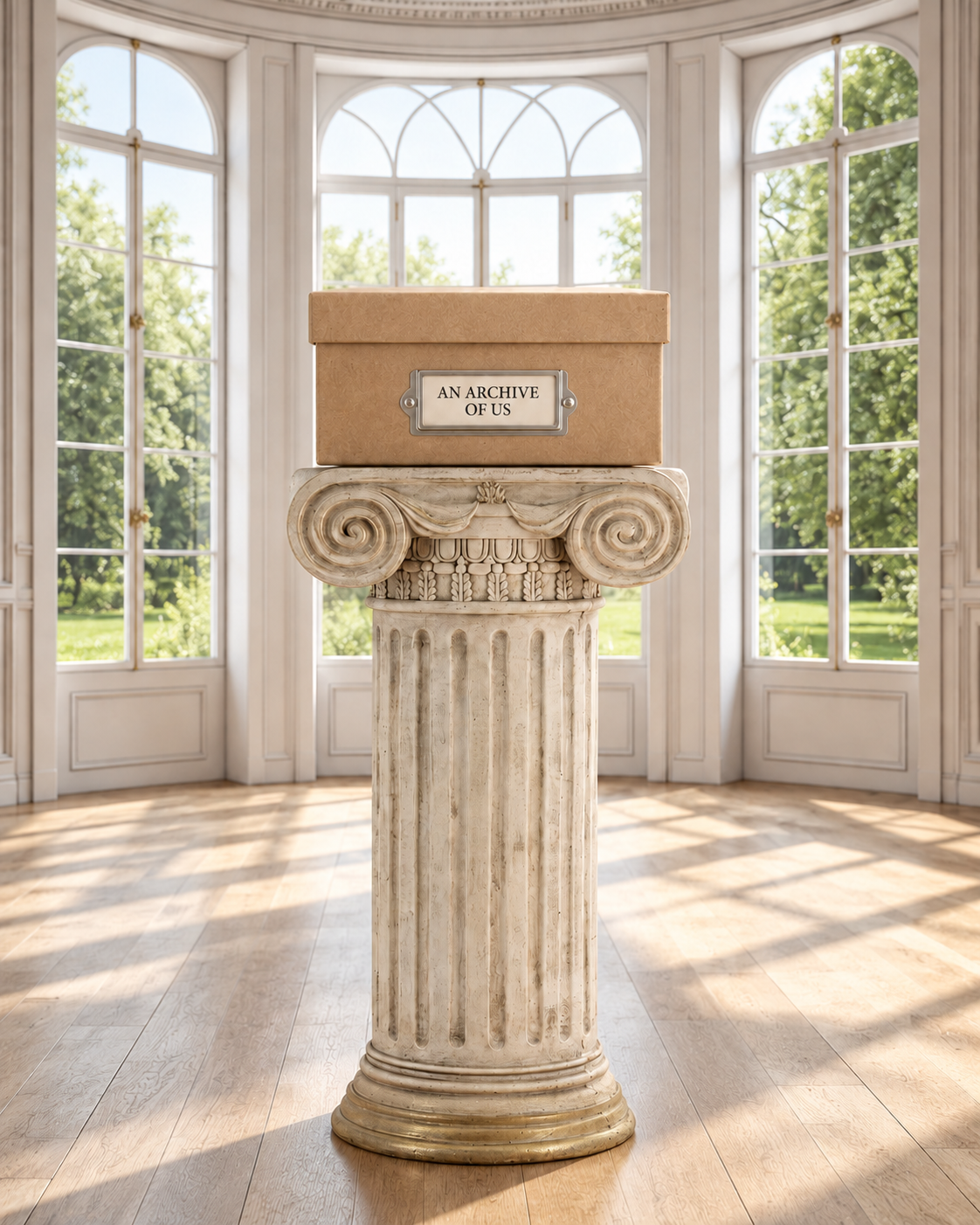
The Story Behind It
What Makes Something An Archive?
An archive is not simply a room full of old paper. It is a body of records preserved because they provide evidence of people, activities, decisions, communities, or events.
Records Are Created During Life
Letters, calendars, photographs, recipes, meeting notes, voice recordings, text messages, and receipts were usually created for an immediate purpose. Their historical value becomes visible later.
Arrangement Preserves Relationships
A single letter can be meaningful, but a group of letters kept in order may reveal a conversation. Archivists often preserve relationships among records rather than reorganizing every item by subject.
Description Is a Map
Catalogs, folder titles, dates, names, and summaries help people find and understand material. Description should identify uncertainty rather than quietly invent missing facts.
Absence Is Evidence Too
Every archive has gaps. Some records were lost, discarded, suppressed, never created, or never collected. An archive does not contain the entire truth; it contains surviving traces.
Digital Is Still Material
Digital photographs and messages may feel weightless, but they depend on devices, formats, storage, passwords, and active care. A box can be forgotten for decades and reopened. A neglected digital file may become unreadable much sooner.
A Family Archive Can Be Small
One labeled folder, a recorded conversation, and a reliable backup can preserve more usable history than several unidentified boxes.